Learning for Humanity’s Mission Yields Positive Results in Zambia’s Rural Health Centres
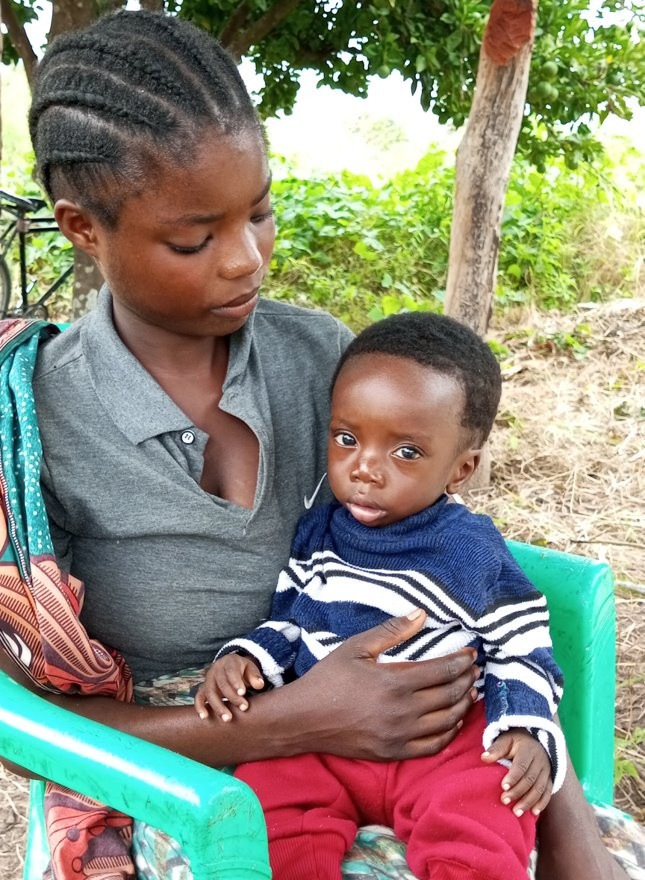
By Sr. Beatrice Mwansa DOR, Lusaka CNCS Hub The Learning for Humanity learning paths courses offered by Medicines for Humanity have yielded positive results through the Catholic sisters’ work in rural communities of Zambia. Learning for Humanity Program Coordinator, Esther Rodriguez, highlighted the incredible work of the sisters in Zambia within the Learning for Humanity project framework, applauding their dedication and the positive impact they are making in their communities. She shared these insights during a discussion with Sr. Elizabeth Muleya, the Zambia Association of Sisterhood (ZAS) Secretary General. “The sisters’ dedication is truly inspiring, and we are grateful for the opportunity to highlight their efforts, she said. In Samfya’s Kansanka area, Sr. Judith Mwango identified a significant problem and addressed it through early prevention, detection, and treatment of malnutrition by screening children with Severe Acute Malnutrition (SAM) and providing appropriate treatment and care through community intervention. The project achieved a high recovery rate, with 8 out of 10 children enrolled in treatment fully recovering and showing improved nutritional status, while two children are still undergoing treatment for malnutrition. Additionally, other children showed significant weight gain. Sr. Judith collaborated with 45 caregivers, who reported improved knowledge of Severe Malnutrition management and prevention. The caregivers’ testimonies reflected the positive impact of the project on individuals and the community, highlighting the importance of education and support in fighting malnutrition. “Before the program, I didn’t understand how to feed my child properly, but now I feel empowered and see my baby grow stronger daily. Thank you for showing me the way, “one caregiver testified. Another caregiver said, “I used to think that any food was good enough for my child. Now I know how vital it is to provide balanced meals for my family. I am grateful for the education I have received”. Sr. Judith also engaged one of the traditional leaders who affirmed, “This project has brought our community together. We are now aware of the importance of nutrition, and I commit myself to supporting you in raising awareness in my village.” Meanwhile, ZAS Secretary General Sr. Elizabeth Muleya commended the Learning for Humanity program for providing the Sisters in health with the knowledge and skills to manage their institutions better. “They do not keep their skills to themselves but use them to improve the health centers they are serving,” she said. She has urged Sisters to carry on taking these beneficial courses to foster sustainable development. Ms. Esther requested ZAS to continue sharing the Learning for Humanity program with their stakeholders in different forums and the Sister’s network in other countries as well. “Please don’t hesitate to pass on the information of the program along to key stakeholders and anyone who may be interested in learning more about this initiative. We hope it serves as a source of encouragement and inspiration for others seeking to strengthen educational opportunities for sisters and frontline health workers worldwide,” Esther said. “Connecting with others who share this vision would allow us to expand our reach and continue serving in meaningful ways,” she reiterated. Other projects highlighted also included an anti-malaria campaign, sensitization on adolescent health, and Nutrition in the Chibombo District. In Mumbezhi and Manyinga of the North Western province and Mpunde Mission in Kapirimposhi, the Sisters prevented neonatal mortality by training community-based volunteers and sensitizing the community on the importance of facility delivery to reduce the neonatal mortality rate. The same project was done at Maamba General Hospital, in Sinazongwe District through therapeutic communication among the mothers. Medicines for Humanity has partnered with the Zambia Association of Sisterhood (ZAS) in training catholic Sisters and frontline health workers to save the lives of children and their mothers by enhancing their knowledge, skills, and capacity to strengthen health systems and empower communities. Since 2021, 339 Catholic Sisters from Zambia have participated in the Learning for Humanity program, with a total of 669 course enrollments plus 30 staff members. The various courses include Health Care Management, Leadership, Project Management, Economic Strengthening Activities, Pharmacy Management, Community Health Workers Program Management, Monitoring and Evaluation, Maternal and Child Health Communication, Improving Nutritional Outcomes, Water, Sanitation and Health (WASH), Advocacy- turning passion into action, Proposal Writing and Grant Management, and Mentorship.
Sisters of Mercy Bring Compassionate Care to St. Margaret Hospital Kasaba
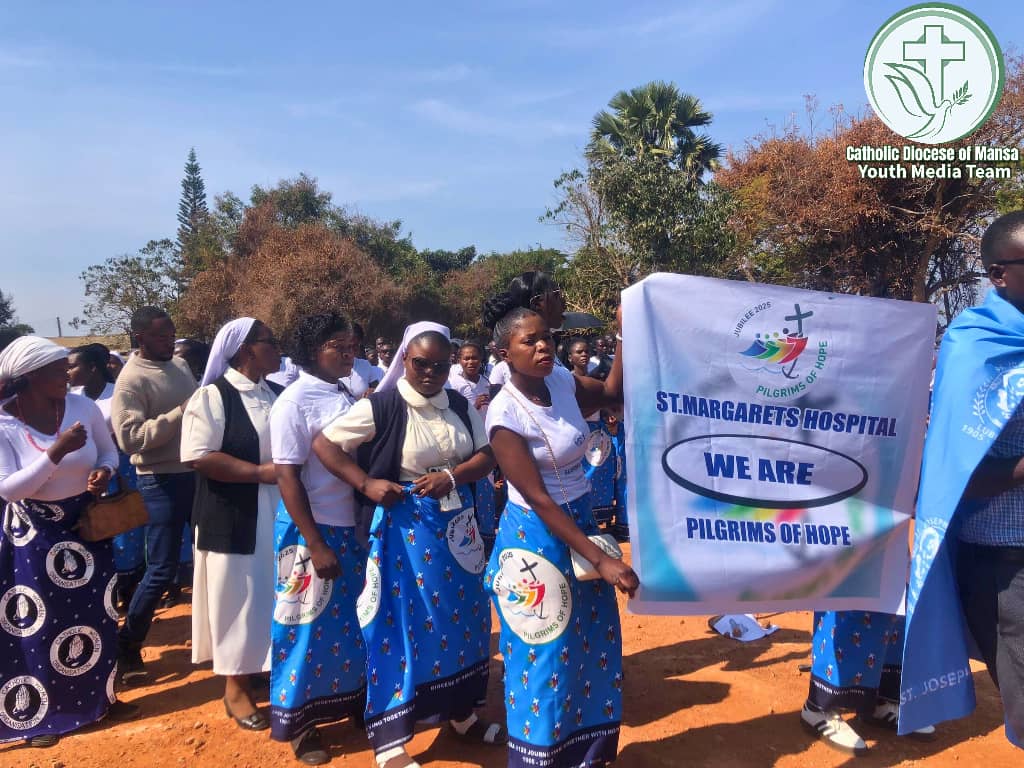
By Sr. Christine Musonda, SOM, Mansa – CNCS Hub At St. Margaret Mission Hospital in Kasaba, the Sisters of Mercy continue to provide compassionate care and support to patients, families and the wider community, despite facing staffing and resource challenges in this rural area. Hospital Administrator Sr. Faustina Nsama said the Sisters’ work is guided by faith and a commitment to serving the vulnerable. “Every person is worthy of love, care and dignity. Our motivation comes from seeing patients recover,” she explained. The hospital faces ongoing challenges, including limited medical equipment, staffing shortages, and inadequate supplies. Currently, the hospital operates at 46% of its staffing capacity and lacks essential equipment such as X-ray machines and neonatal incubators. Patients often have to travel 170 kilometers for specialized services. Clinical Officer Thelma Wabupe highlighted the difficulties in maternity and intensive care. “Most of the babies who need intensive care are put in the general ward with their mothers. Some patients are forced to stay home because services are not available locally,” she said. Despite these constraints, those caring for patients continue to praise the Sisters’ dedication. “We are well received, patients are given medicines according to their illness, provided with food and the hospital is clean. Patients are also encouraged to take good care of themselves,” said bedside attendant Lilian Mwansa. The Sisters of Mercy uphold the vision of their founder Archbishop James Mwewa Spaita, bringing mercy and compassion to those in need. Through their ministry, they transform lives, offering hope, healing and spiritual support to patients and the broader community. Sr. Nsama emphasizes that faith and teamwork guide daily work. “We combine spiritual and physical care. Even in difficult circumstances, we strive to be resourceful and give the best service we can,” she said. St. Margaret Mission Hospital continues to be a beacon of love and compassion, ensuring patients receive care rooted in dignity, empathy and hope.