
Midwife Safely Delivers Twins After Complicated Labour at Rural Clinic in Kasama
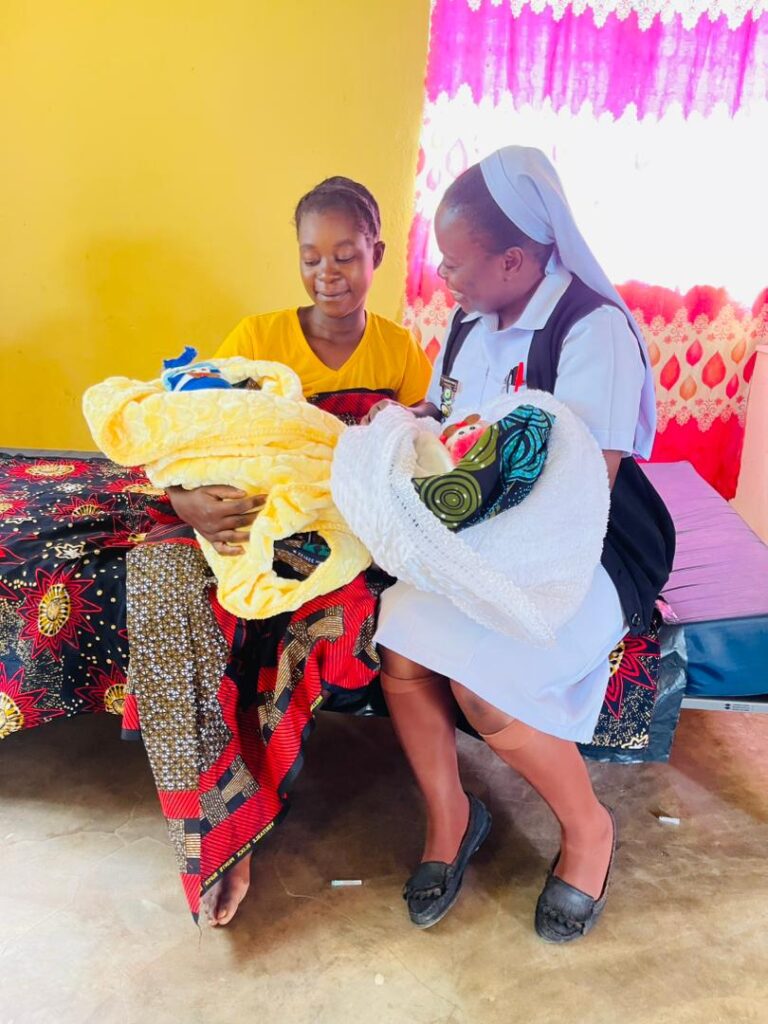
CNCS Staff Reporter, Lubushi, Northern Province A midwife at Lubushi Rural Health Centre in Kasama District has successfully delivered twins after a complicated labour involving breech presentation and cord prolapse. Both babies and the mother are reported to be in stable condition. The 22-year-old mother, Georgina Mpundu of Kapika Village, arrived at the clinic in advanced labour after experiencing pains at home. She had earlier been advised to deliver at Kasama General Hospital due to the high-risk nature of her twin pregnancy but instead reported to the local facility. Sr. Christabel Chileshe of the Sisters of Mercy, the attending midwife, said complications arose after the membranes ruptured, leading to cord prolapse while the first twin was in breech position. Sr. Christabel added that the situation required quick intervention to ensure the safety of both babies. “I had to place the mother in a knee-chest position to prevent compression of the cord while we continued to monitor both the mother and the babies,” she said. Sr. Christabel stated that the first twin was delivered at 10:46 hours and the second at 11:46 hours after labour lasting about 19 hours. And Ms. Mpundu described the experience as frightening but expressed gratitude to the clinic staff. “I was nervous and scared that I might die or lose the babies. I am extremely happy and I appreciate the facility for saving my life,” she said. Ms. Mpundu has advised other women to seek medical attention early and follow guidance from health workers during pregnancy. A breech presentation is when a baby is positioned bottom or feet first instead of the normal head-first position and cord prolapse is when the umbilical cord slips ahead of the baby and can restrict oxygen supply and both are considered medical emergencies during delivery. Meanwhile, Lubushi Rural Health Centre Sister-in-Charge Sr. Nancy Chibwili said the delivery demonstrates the ability of the facility’s staff to manage emergencies despite limited resources. “The facility has qualified staff who are able to use the skills they have acquired from their studies. Teamwork is also key in the way we operate,” she said. However, Sr. Nancy said the clinic still faces several challenges, including lack of a facility vehicle for referrals, portable ultrasound equipment, no ablution block for patients and staff and no solar power as a backup. “This delivery reflects that we are able to manage emergencies even when help is not immediately available, but support is needed to improve the quality of care for expecting mothers,” she said.